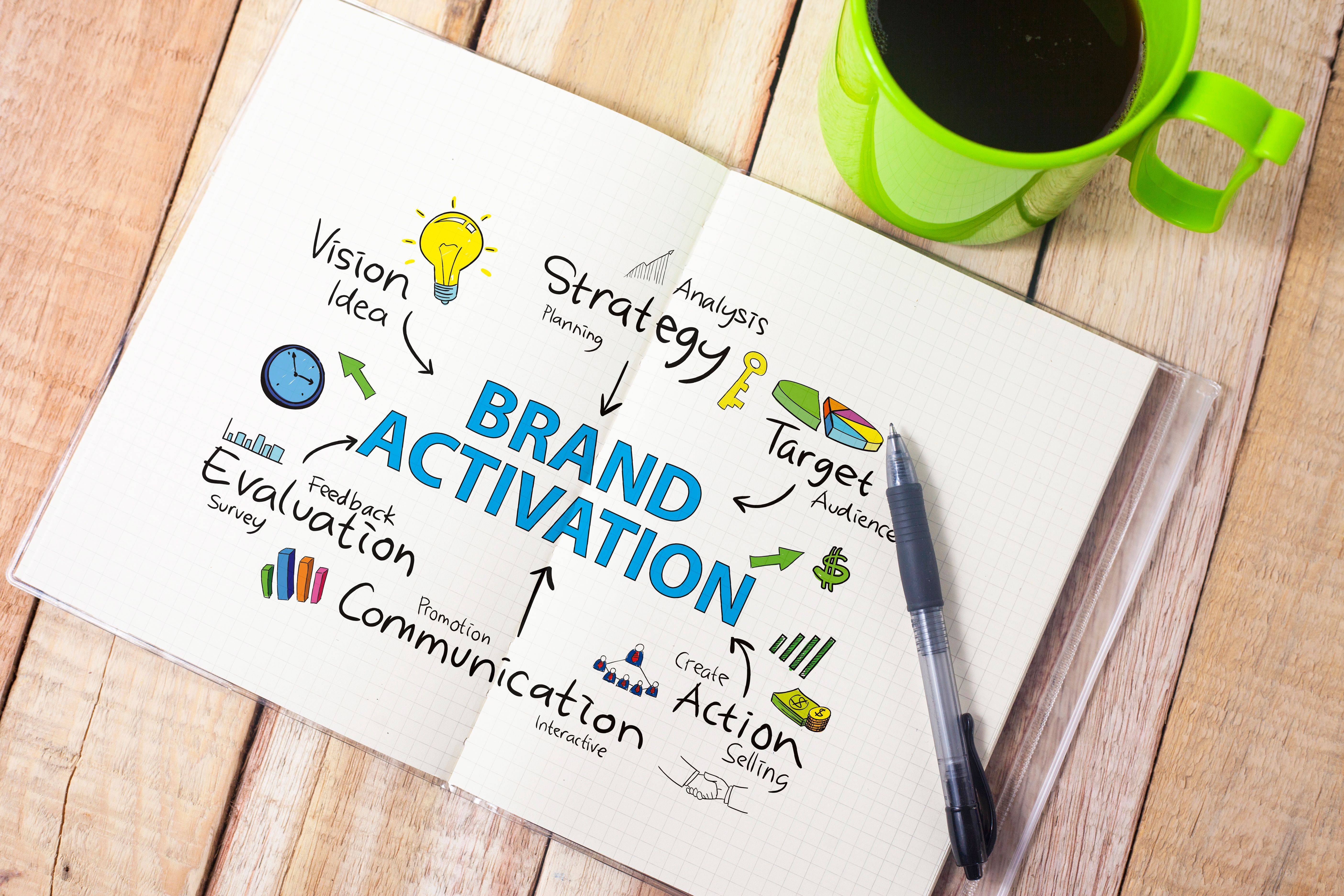






BRAND ACTIVATION : THE ESSENTIALS
BRAND ACTIVATION: AT THE HEART OF THE IS AGENCY'S EXPERTISE...
The goal of any marketing initiative is to create a connection between the brand and its consumers in order to raise awareness and sell its products. Brand activation serves these same objectives but develops a specific strategy for achieving them.
What are the specific features of brand activation?
The specific feature of brand activation lies in the strategy of the means to be implemented, based on a horizontal, collaborative, and interactive approach to the customer/brand relationship. In the age of social media, overexposure to messages, and increased consumer mistrust of brands, the ability of brands to demonstrate their attributes to consumers is key to standing out. Customer engagement and direct involvement make it possible to highlight what sets you apart and thus create preference for your brand and its products.
Brand activation is part of an experiential and emotional approach that aims to transcend the transactional dimension of the relationship. While defining a brand's positioning falls under the umbrella of Vision, activation falls under that of Expression or even Embodiment.
Based on selected and voluntary consumer interaction, this approach complements online and offline media and non-traditional media. In the marketing funnel, it is positioned less in the awareness phase and more in the consideration, purchase, and recommendation phases.
For which brands and market contexts is brand activation relevant?
The experiential and interactive dimension of brand activation does not limit this approach to B2C brands whose products/services meet both functional and emotional expectations (home or personal equipment; personal services such as hotels or gyms).
This approach is also highly relevant for brands in the B2B and B2B2C sectors.
In fact, customer expectations when making a professional purchase are no different from those they express for their personal consumption: accessibility, personalization of the relationship, and immediate perception of the benefit.
By aiming to create a special one-on-one moment with the consumer and highlighting the features and benefits of a product, brand activation enables all brands, in all contexts, to connect with their target audience in an effective and engaging way.
This approach will be even more effective in markets or for products where it has not yet been widely used. It will be a powerful lever for the company and its products to stand out.
What are the keys to successful brand activation?
The success of this marketing strategy is based on three pillars:
- Defining your objective: it is important not to confuse the partial, short-term indicator of activation success (the participation rate, i.e., the number of people registered for an event or samples distributed, depending on the mechanism) with your medium- and long-term marketing objective (developing sales, creating traffic, generating leads).
Consistency of the campaign with the brand image and target audience: the mechanics must serve the brand and not cannibalize it. The concept must be inventive in order to attract attention and engagement by activating the appropriate levers for each target audience. But it must also incorporate strong markers of the brand and its products to ensure attribution and therefore the effectiveness of the campaign.
Interactivity and fluidity of the participation mechanism: brand activation relies on interactivity, in other words the ability of the mechanism to initiate a collaborative brand-customer relationship. Its success depends on the simplicity of the participation mechanism and its potential for virality. If it is too complex to participate and share the experience, failure is guaranteed!
What are the different types of brand activation?
Brand activation can take many forms (examples of brand activation managed by IS).
In any case, it excludes advertising communication in the sense that it aims to establish an interactive and direct link with the consumer. Brand activation can, for example, be achieved through social media campaigns (digital activation), customer/consumer events in physical networks, promotional tours, and street marketing campaigns. Each activation mechanism addresses a specific issue. Clearly define this issue with all internal stakeholders before beginning to think about the concept and execution of your activation.
How do you initiate brand activation?
Successful brand activation starts with a good client brief: comprehensive, transparent, and precise.
It then requires choosing the right partner: one who is inventive in their concept and rigorous in its implementation. Finally, it is good collaboration between the client and their partner at all stages of the implementation process, including the analysis of results and lessons learned.