


DIGITAL EVENT : A NEW WAY FOR VISIBILITY
Digital Events: A New Tool for Visibility!
Brand event activations have been around for a long time, but digital technology has changed the game.
While it's true that online events have boomed due to the health crisis, this communication strategy isn't entirely new. In fact, it's not the concept itself that's new, but rather the format, the technical solutions, the frequency, and the impact that have evolved significantly.
Indeed, in a context of maximum digitalization of marketing relationships and increased competition across all sectors, it's becoming increasingly difficult to differentiate yourself and reach a target audience or community. Digital events are therefore an additional solution among the possibilities available to marketers and communication managers.
But how do you create a successful digital event today? And how do you stand out from the crowd in this jungle of content?
Read more in this article!
The Digitalization of Events: What Is It?
A digital event, a digital within an event—are they the same thing? Not quite!
Digital, in the sense of a communication environment using digital and dematerialized technologies, is not a new phenomenon in event promotion strategies. This communication channel has been used in all projects seeking to reach a wider audience by incorporating the digital tools available for many years.
So, what has changed?
What has changed is the entry point into the digital world and the format.
Without going back too far, talking about an event was directly linked to a physical event with an in-person audience. This format was the foundation of the event experience. It still can be, and remains highly relevant in event communication strategies.
Thus, we moved from the physical world to the digital realm. The goal here is to use digital tools to develop communication and increase the visibility of the event in question. This could involve, for example: creating a dedicated website or social media pages; integrating QR codes to direct users to information (program, online registration, online game, etc.); offering your guests replays after the event to extend the experience...
But today, this format is no longer as essential for event activation.
Two options are available:
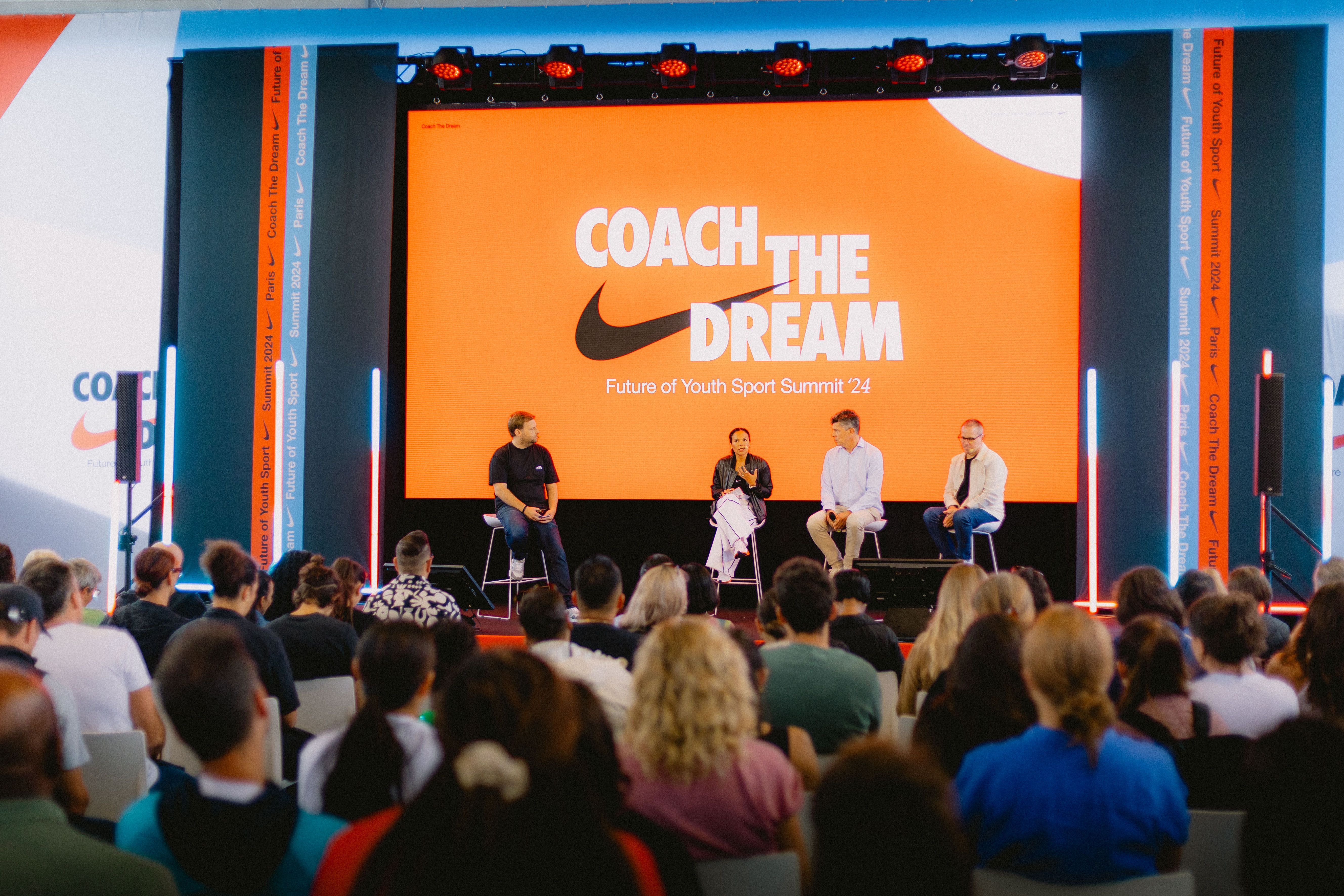
- Option 1: The hybrid event. An intermediate step before a fully digital event, this format is characterized by a simultaneous dual approach. The event takes place both physically and virtually. However, it shouldn't be limited to a live broadcast. The experience and opportunities for interaction must also be present, specific, even exclusive; otherwise, we fall back into a logic of simply broadcasting video without truly hybridizing the event.
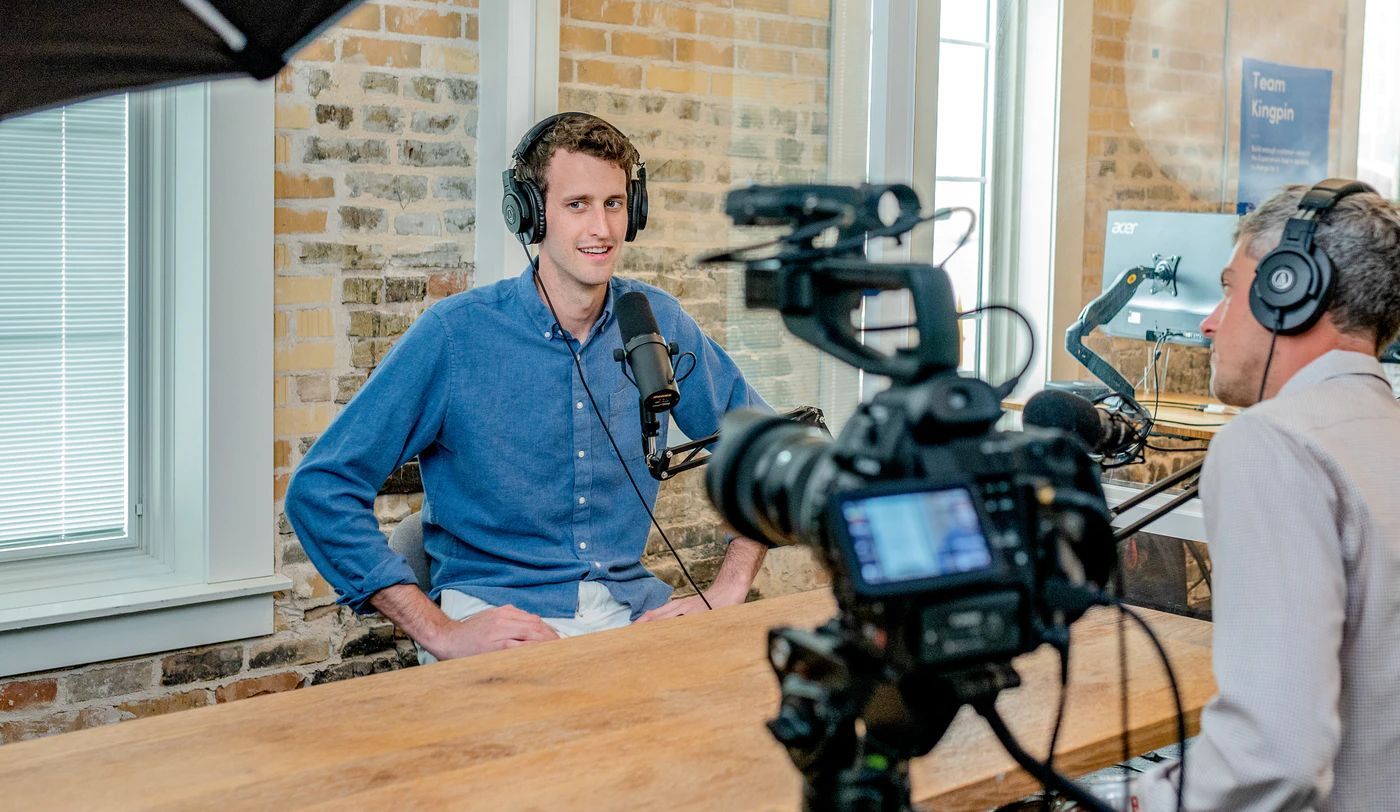
This format offers a triple advantage: it allows you to increase your audience by welcoming those who couldn't be present in person (due to geographical reasons, venue capacity, etc.), to foster interaction between in-person and remote participation, and also to offer a complementary and different experience to your digital audience. - Option 2: The 100% digital event. The ubiquitous presence of screens (smartphones, tablets, computers, smart TVs, etc.) has played a leading role in the complete digitalization of events. In this case, the entire experience will have only one entry point: the virtual world.
This format offers several advantages: first, ease of access due to the reduction of geographical, temporal, and even budgetary constraints. Second, a continuity of the participant experience. From the start of the experience during the launch phase to its closing phase, you maintain the connection through a single communication channel, thus offering the possibility of supporting your audience by providing them with a fully digital, more customizable, multi-stage experiential journey with more services...
However, the main limitation observed is a loss of engagement and a more ephemeral relationship with your event. In other words, a 100% digital event will only be truly successful if it is sufficiently structured, creative, and different.Digital Event: Plan to Convince More Effectively
Like any event communication project, sound planning remains crucial for maximizing return on investment. Therefore, a 100% digital or hybrid event must be considered as a complete experiential journey with identified and activated touchpoints. Digital offers the major advantage of allowing you to precisely plan each action, providing added value to your target audience (information, products, services related to your event). In short, ensure that your image of quality, service, hospitality, attentiveness, and value proposition is consistently perceived positively throughout the digital experience, just as it is in the physical experience.
Thus, digital technology and event planning are now inextricably linked. But combining the two requires careful planning. So, if you're looking for advice on designing and implementing your digital event, Agence I.S (located in the Île-de-France region, near Paris), through its IS Brand division, specializes in the creation, production, and management of this type of project. Whether your project is local, national, or international in scope, if you have a project or an idea, we can answer your questions and support you in its successful realization.